Category: News

  • Learning to Surf After 30 or 40: Myths, Safety, and Progression Tips

    Learning to Surf After 30 or 40: Myths, Safety, and Progression Tips

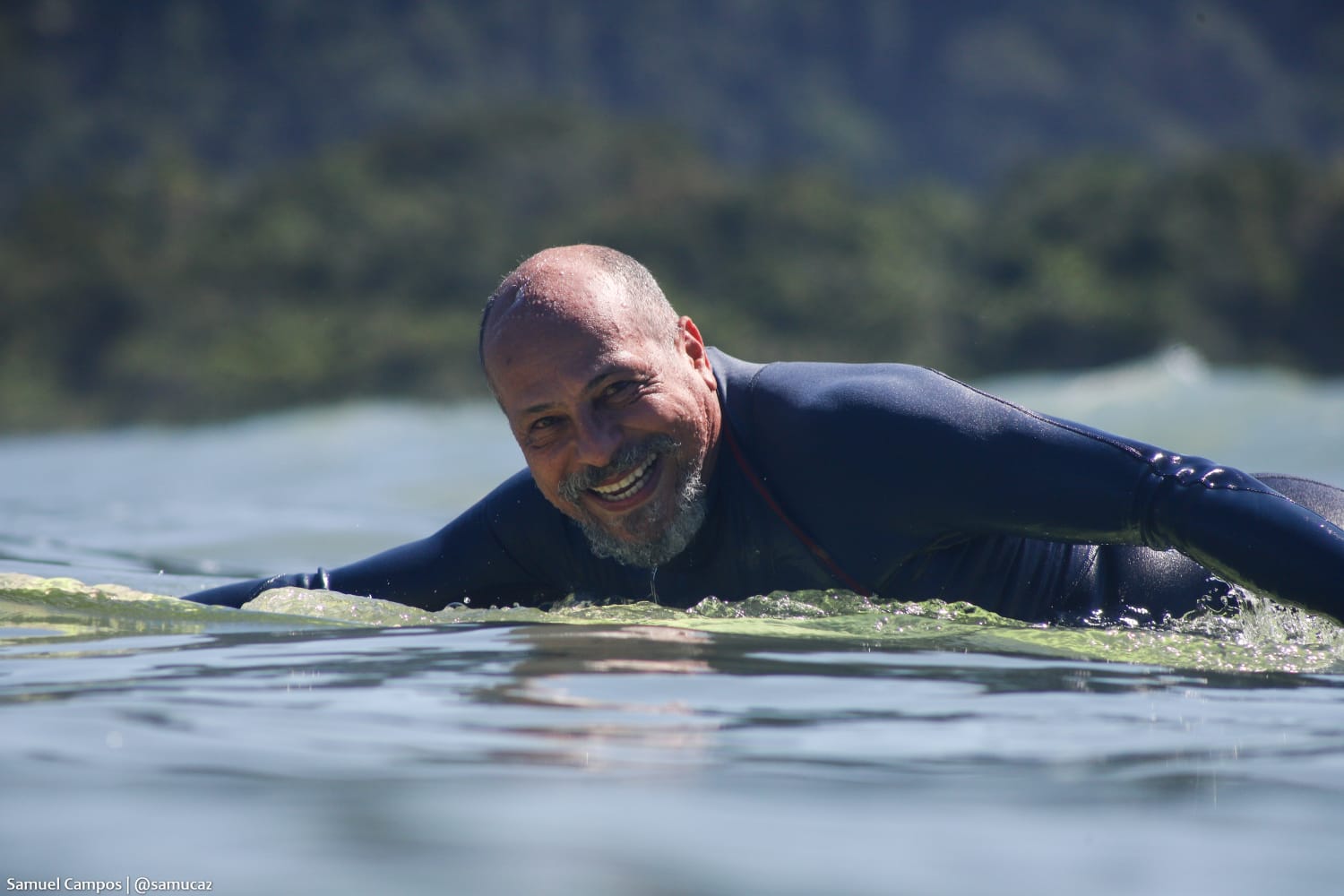
    Think surfing is a sport reserved strictly for teenagers and twenty-somethings? Think again. Every year, thousands of adults in their 30s, 40s, 50s, and beyond step onto a surfboard for the very first time. In fact, adult learners often bring greater focus, patience, and body awareness to the water than younger beginners.

    If you have been dreaming of riding waves but worry that “the boat has sailed,” this guide is for you. We debunk common myths, outline key safety protocols, and share progression tips tailored specifically for adult beginner surfers.

    Debunking Common Adult Surfing Myths

    • Myth 1: “I am too old to learn.”
      • Fact: Surfing relies on momentum, balance, and wave timing—skills that can be developed at any age with proper instruction and the right equipment.
    • Myth 2: “I need to be in peak athletic shape first.”
      • Fact: You don’t need to be a triathlete. Basic swimming ability and moderate flexibility are all you need to start. Your surf fitness will build naturally as you practice.
    • Myth 3: “I will look out of place in the lineup.”
      • Fact: The beginner surf community is remarkably diverse. Instructors and fellow adult learners create an encouraging, non-judgmental environment on the sand and in the water.

    Essential Safety & Recovery Guidelines for Adult Surfers

    Adult bodies recover differently than teenage bodies. Prioritizing smart preparation ensures you stay injury-free and consistent in your progression:

    Focus AreaPractical Application
    Warm-Up Mobility (10 mins)Perform dynamic stretches (hip openers, shoulder rotations, and cat-cows) on the sand before paddling out.
    High-Volume SoftboardsUse extra-wide, high-volume soft-top boards (8’0″ to 9’0″+) to maximize stability, ease paddling, and prevent fatigue.
    Pacing & Session LengthCap initial sessions at 60 to 90 minutes to avoid lower-back strain and shoulder overexertion.
    Post-Surf RecoveryHydrate immediately, practice light static stretching, and allow at least one rest day between early sessions.

    3 Progression Tips for Learning Faster as an Adult

    1. Master the On-Sand Pop-Up: Practice your pop-up movement at home on a yoga mat. Focus on smooth, deliberate transitions rather than explosive jumping.
    2. Focus on Wave Reading Over Fitness: Adults excel at pattern recognition. Spend time watching how waves break, understanding tides, and learning where sandbars form.
    3. Invest in Professional Coaching: Self-teaching as an adult often leads to bad habits that are hard to unlearn. A certified instructor corrects stance, positioning, and paddling efficiency in real time.

    Book Your Adult Beginner Surf Lesson with Surfing4all

    At Surfing4all, we match you with patient, experienced surf coaches who specialize in adult progression across our partner locations in San Diego and Rio de Janeiro. We provide high-flotation gear, supportive instruction, and a comfortable pace tailored entirely to your goals.

    It is never too late to catch the wave of your life!

    👉 Visit our website to choose your instructor and book your surf lesson on Surfing4all!
  • Kids Surf Lessons: At What Age Can Children Start Surfing Safely?

    Kids Surf Lessons: At What Age Can Children Start Surfing Safely?

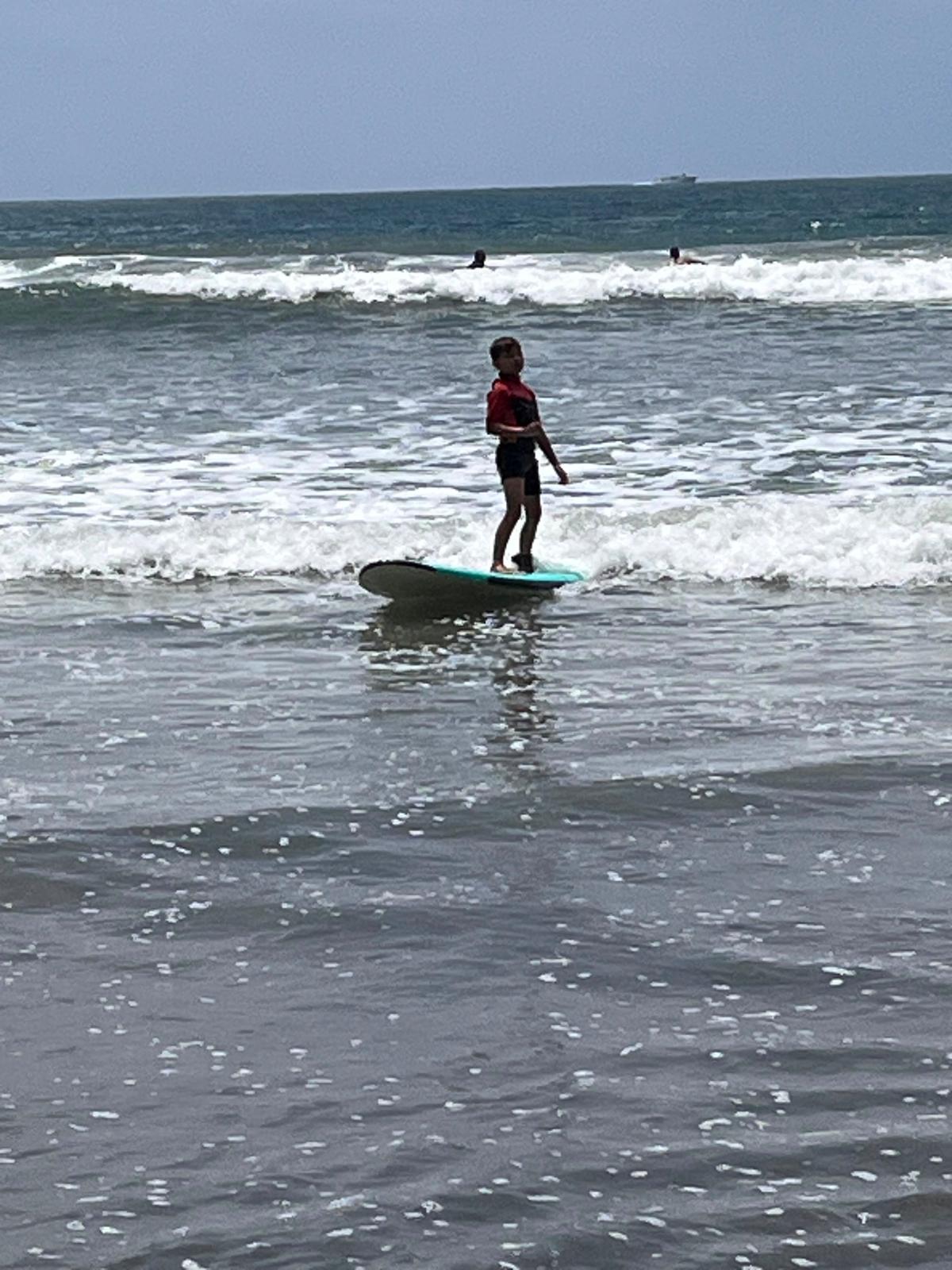
    For many parents, introducing their children to the ocean is one of the most exciting milestones of childhood. Surfing builds confidence, improves motor coordination, and fosters a lifelong respect for nature. However, when it comes to riding waves, a common question arises: At what age can kids safely start taking surf lessons?

    In this guide, we break down the ideal starting ages, essential safety prerequisites, what to look for in a kids’ surf instructor, and how to make your child’s first ocean experience fun and stress-free.

    What is the Best Age to Start Surfing?

    While every child develops at their own pace, the general consensus among professional surf coaches is that children can begin their surfing journey between ages 4 and 7.

    Here is a quick age-by-age breakdown:

    Age GroupFocus & FormatWhat to Expect
    Ages 4 to 6Ocean Familiarization & Water PlayGentle tandem rides with an instructor, bodyboarding in shallow whitewash, and basic ocean safety games on the sand.
    Ages 7 to 10Independent FundamentalsLearning proper paddling mechanics, standing up on softboards, reading gentle waves, and understanding basic ocean safety.
    Ages 11+Technique & Ocean AwarenessCatching open-ocean waves, mastering turning techniques, paddling out past the break, and practicing lineup etiquette.

    Essential Prerequisites for Kids’ Surf Lessons

    Before signing your child up for their first lesson, ensure they meet these basic safety readiness indicators:

    1. Basic Water Confidence: Children do not need to be competitive swimmers, but they should be comfortable putting their face in the water and floating with assistance.
    2. Ability to Follow Instructions: Ocean safety relies on listening. Kids should be able to follow basic directions from their instructor.
    3. Comfort with Waves: A quick play session in gentle whitewash beforehand helps gauge whether a child feels eager or anxious around moving water.

    Key Safety Measures for Children in the Water

    Safety is the top priority for any youth surf program. High-quality kids’ surf lessons should always include:

    • 1-on-1 or Ultra-Small Ratios: Young beginners (under age 8) should ideally have dedicated 1-on-1 instructor oversight at all times.
    • Child-Specific Gear: Soft-top surfboards (softboards) with flexible fins, properly fitted youth wetsuits, and protective rash guards.
    • Shallow Sandbar Selection: Lessons must take place in waist-deep water where the instructor can stand firmly beside the board.
    • Sun & Thermal Protection: High-SPF mineral sunscreen and appropriate neoprene warmth to prevent fatigue and chill.

    Book a Safe Kids’ Surf Lesson with Surfing4all

    At Surfing4all, we match families with patient, background-checked, and certified surf coaches specialized in youth instruction across San Diego and Rio de Janeiro. Our lessons focus on fun, safety, and building genuine ocean confidence at your child’s comfortable pace.

    Ready to give your child an unforgettable ocean adventure?

    👉 Visit our website to choose a kids’ surf instructor and book a lesson on Surfing4all!

  • Adaptive Surfing: How Accessible Coaching is Changing the Ocean Experience

    Adaptive Surfing: How Accessible Coaching is Changing the Ocean Experience

    The ocean has long been recognized as a powerful space for healing, movement, and freedom. Today, the rise of adaptive surfing is breaking down historical barriers, proving that wave riding belongs to everyone—regardless of physical, sensory, or cognitive differences.

    Through specialized adaptive coaching, modified equipment, and inclusive beach setups, adaptive surfing is redefining possibilities in the water and transforming how people experience the ocean worldwide.

    What is Adaptive Surfing?

    Adaptive surfing involves customizing equipment, techniques, and support systems to allow individuals with physical disabilities, sensory processing differences, or mobility limitations to ride waves safely and independently.

    Adaptive setups cater to a wide variety of riding styles, including:

    • Prone (On the Stomach): Surfers lay on their chest, often utilizing customized board handles, chest wedges, or padded support systems.
    • Seated / Kneeling: Surfers ride on modified boards equipped with specialized seating, foam blocks, or high-density grips.
    • Upright / Standing: Surfers use adapted prosthetics, balance bars, or specialized tandem assistance to surf in a standing position.
    • Visual & Cognitive Assist: Visually impaired or neurodivergent surfers ride with the aid of dedicated in-water guides who provide verbal cues, direction, and spatial orientation.

    The Elements of Accessible Surf Coaching

    Creating an inclusive ocean environment requires thoughtful planning both on land and in the water. Key components of adaptive coaching include:

    Coaching PillarKey Focus
    Inclusive Beach AccessUtilizing beach wheelchairs, matting (Mobi-Mats), and accessible ramps to bridge the gap between parking areas and the shoreline.
    Customized EquipmentHigh-flotation softboards fitted with custom handles, specialized fins, non-slip deck pads, and tailored wetsuits.
    Trained Support TeamsDedicated catch-and-release teams, in-water guides, and instructors certified in adaptive water safety and transfer techniques.
    Individualized AssessmentTailoring each session to the surfer’s specific mobility, energy levels, and personal goals before entering the water.

    Physical and Emotional Benefits of Ocean Therapy

    Beyond the thrill of catching a wave, adaptive surfing provides profound physical and mental benefits:

    • Increased Mobility & Strength: The natural instability of the ocean engages core balance, improves cardiovascular endurance, and enhances muscle tone.
    • Sensory Regulation & Calm: The weightlessness of saltwater reduces pressure on joints, while the rhythmic sound and movement of waves promote deep relaxation and mental clarity.
    • Community & Empowerment: Conquering a wave builds confidence, fosters self-reliance, and connects surfers with an encouraging, inclusive global community.

    Experience Inclusive Surfing with Surfing4all

    At Surfing4all, we believe the ocean should be accessible to everyone. We actively partner with certified adaptive surf instructors, trained support volunteers, and ocean accessibility advocates across our partner locations to ensure welcoming, safe, and empowering surf sessions for all abilities.

    Ready to experience the freedom of adaptive surfing?

    👉 Visit our website to learn more about our accessible coaching options and book your adaptive surf session on Surfing4all!

  • Surf Guide to Ocean Beach (OB): Discover San Diego’s Most Authentic Surf Town

    Surf Guide to Ocean Beach (OB): Discover San Diego’s Most Authentic Surf Town

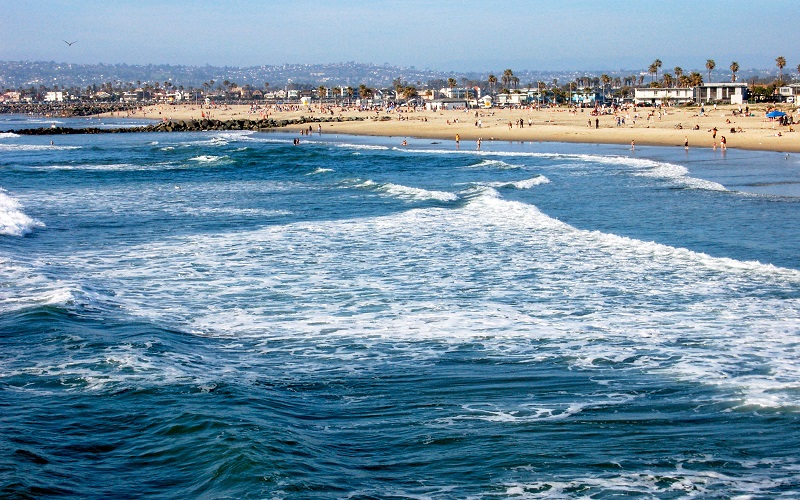
    Known for its quirky, laid-back charm, classic pier, and deeply rooted surf culture, Ocean Beach (OB) is one of San Diego’s premier coastal destinations. Stretching from the mouth of the San Diego River down to the historic OB Pier, Ocean Beach offers consistent sandbars, versatile wave zones, and a welcoming community vibe that makes it an unforgettable place to learn and progress.

    Whether you are stepping onto a board for the first time or looking to refine your technique, OB delivers fantastic waves for every stage of your surfing journey. Here is your complete guide to surfing in Ocean Beach, top spots, optimal conditions, and booking your lesson.

    Why Ocean Beach is Great for Surfers

    Ocean Beach offers a unique mix of wave variety, space, and local charm that sets it apart in San Diego County:

    • Consistent Beach Breaks: Multiple sandbars along the beach create smooth, rolling whitewash near the shore—ideal for practicing paddling, timing, and pop-ups safely.
    • Distinct Surf Zones: The wide coastline allows beginners to practice in calm, shallow sections without crowding the heavier lineups near the pier.
    • Authentic Coastal Vibe: After your lesson, walk down Newport Avenue to explore local surf shops, classic cafes, and the relaxed local atmosphere OB is famous for.

    Top Surf Spots Along Ocean Beach

    Surf SpotBest ForWhat to Expect
    Dog Beach (North OB)Beginners & First-TimersLocated by the river mouth; offers gentler, flatter sandbars with smaller waves and plenty of space.
    Lifeguard Tower 2 & 3 (Central OB)Beginner to Intermediate LessonsConsistent sandbars that create predictable whitewash and long riding sections.
    OB Pier (North & South Sides)Intermediate to AdvancedProduces punchier, faster-breaking waves around the pier pilings (best navigated with an experienced guide).

    Ideal Ocean Conditions for Your OB Surf Lesson

    To get the best possible experience in the water, keep these optimal conditions in mind:

    • Wave Size: 2 to 3 feet (0.5m to 1.0m) small to medium rolling waves.
    • Tide: Mid-tide on an incoming swell. Mid to high tide provides a safe water depth cushion over the sandbars.
    • Wind: Light early-morning offshore winds (blowing from land to sea) for clean, glassy wave faces.
    • Best Time of Day: 7:00 AM to 10:00 AM, before afternoon onshore winds pick up and beach traffic increases.

    What’s Included in Your Surfing4all Lesson at Ocean Beach

    When you book your Ocean Beach surf lesson through Surfing4all, we ensure a seamless and safe experience from start to finish:

    1. On-Sand Fundamentals (15–20 mins): Learn ocean awareness, rip current safety, paddling mechanics, and pop-up technique drills on the sand.
    2. In-Water Coaching (40–70 mins): One-on-one or small-group instruction with real-time feedback, gentle pushes into waves, and posture adjustments.
    3. Full Equipment Provided: High-flotation softboard surfboards and full wetsuits designed for San Diego water temperatures are included in every session.

    Book Your Ocean Beach Surf Lesson Today

    At Surfing4all, we connect you directly with top-rated, independent surf instructors in San Diego. Enjoy flexible online booking, transparent pricing, and top-tier safety standards.

    Ready to catch your first wave in Ocean Beach?

    👉 Visit our website to choose your instructor and book your Ocean Beach surf lesson on Surfing4all!

  • Surf Guide to Geribá Beach: Búzios’ Surf Capital for Your First Lesson

    Surf Guide to Geribá Beach: Búzios’ Surf Capital for Your First Lesson

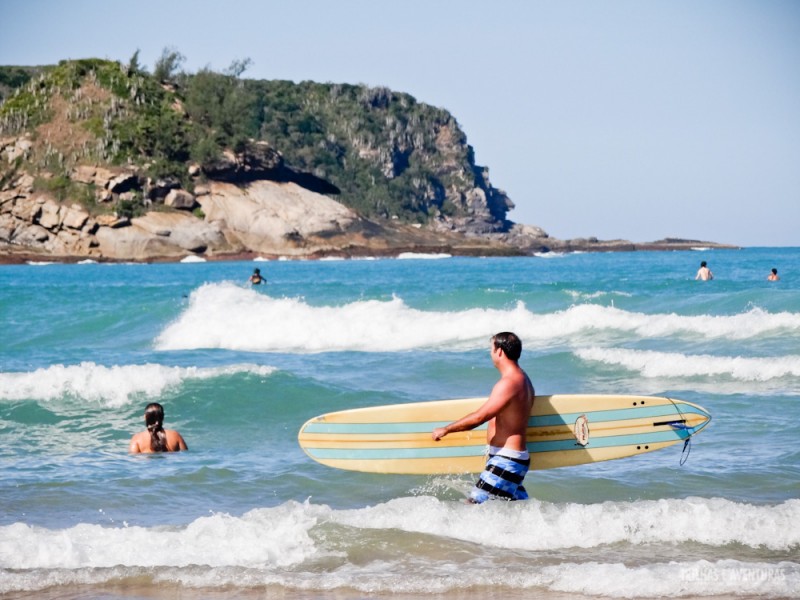
    Stretching nearly 1.2 miles (2 km) with continuous white sand and open ocean, Geribá Beach is the main gathering hub for water sports lovers in Armação dos Búzios. Famous for its vibrant energy, complete beachfront amenities, and consistent wave conditions, Geribá is the ideal location to learn how to surf during your trip to Rio’s famous Lakes Region (Região dos Lagos).

    In this article, we cover how the waves work in Geribá, the top beach zones for beginner surfers, and everything you need to know before booking your lesson.

    Why Geribá is Búzios’ Top Beginner Surf Spot

    Unlike sheltered bays with flat water, Geribá combines open-ocean swell with a coastline layout that accommodates all progression levels along the same stretch of sand:

    • Consistent Waves (Beach Break): The sandy ocean floor produces consistent wave formations and soft whitewash near the shore—giving beginners a safe environment to practice paddling and standing up (pop-up).
    • Zones for Every Skill Level: The beach changes character from one end to the other, allowing instructors to select the ideal wave size and depth for each student.
    • Top-Tier Beach Amenities: The boardwalk features great beach kiosks, inns, public showers, and easy parking, ensuring a comfortable experience before and after your session.

    Best Sections of Geribá Beach for Surfing

    To ensure a safe and progressive lesson, the left corner and middle section of the beach are the top choices:

    1. Left Corner / Canto Esquerdo (Protected Zone)

    The left corner is sheltered by natural rock formations, resulting in gentler tides and smaller waves. It is the perfect area for first-time surfers or anyone looking for a calm, controlled environment in the whitewash.

    2. Middle Section / Meio da Praia

    More exposed to incoming ocean swells, the middle stretch generates larger, fuller waves. This is the ideal spot for intermediate surfers looking to practice dropping into green waves or improving their timing.

    Ideal Ocean Conditions for Your Lesson

    Reading the conditions ensures a fun, productive session:

    • Wave Size: 1 to 3 feet / 0.5m to 1.0m for beginners.
    • Wind: North/Northeast winds blow favorably to keep the wave faces organized and smooth.
    • Tide: Mid-tide or rising tide (incoming), providing optimal water depth over the sandbar.
    • Best Time of Day: Early morning, when winds are lighter and beach traffic is quiet.

    Book Your Geribá Surf Lesson with Surfing4all

    At Surfing4all, we streamline your learning journey by connecting you with top-rated, certified surf instructors and schools in Búzios. Every lesson includes high-flotation softboard surfboards, protective rash guards, and dedicated professional guidance on the sand and in the water.

    Ready to catch your first wave in Geribá?

    👉 Visit our website to choose your instructor and book your Geribá surf lesson on Surfing4all!

  • Surf Guide to Tourmaline Surf Park: San Diego’s Premier Haven for Beginner Surfers

    Surf Guide to Tourmaline Surf Park: San Diego’s Premier Haven for Beginner Surfers

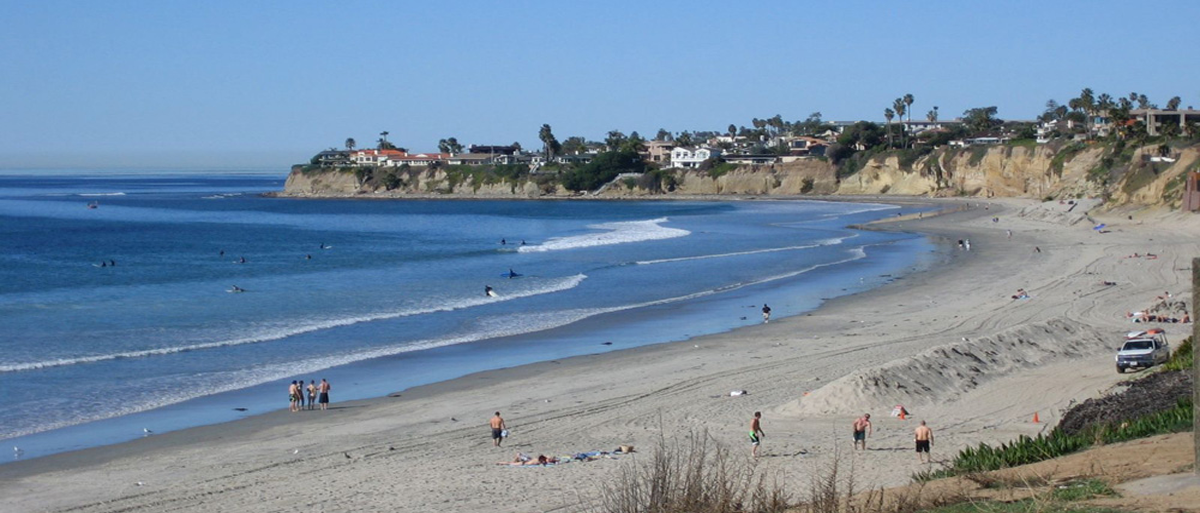
    Located at the northern edge of Pacific Beach where the cliffs of La Jolla begin, Tourmaline Surfing Park is more than just a beach—it is a monument to Southern California’s rich surfing heritage. Established in 1963 as San Diego’s first official surfing park, Tourmaline was specifically designed for surfers, offering a welcoming, tide-friendly environment free from swimmers and bodyboarders.

    With its broad, gently sloping sandbar, slow-rolling waves, and laid-back community atmosphere, Tourmaline is widely considered one of the best locations in San Diego County to take your very first surf lesson or hone your longboarding technique.

    Why Tourmaline Surf Park is Ideal for Beginners

    Tourmaline’s unique geographic layout makes it a safe and forgiving arena for learning how to surf:

    • Mellow, Slow-Breaking Waves: The underwater topography creates long, soft, rolling waves that give beginners ample time to catch their balance and practice standing up (pop-up).
    • Dedicated Surfing Zone: Because Tourmaline is designated specifically for wave riding, student surfers don’t have to navigate around casual swimmers or sunbathers.
    • Welcoming Local Culture: Known for its friendly, classic longboard culture, Tourmaline offers a supportive and non-intimidating lineup for newcomers.
    • Top-Notch Park Amenities: Features a dedicated parking lot, oceanfront patio area, outdoor showers, restrooms, and smooth ramp access down to the sand.

    Best Ocean Conditions for Your Tourmaline Surf Session

    To maximize your time in the water and enjoy the smooth rides Tourmaline is famous for, look for these ideal conditions:

    • Wave Size: 1 to 3 feet (0.5m to 1.0m) small to medium waves.
    • Tide: Mid to high tide (incoming). A higher tide provides a deeper water cushion over the inner sandbar, allowing waves to roll smoothly without closing out.
    • Wind: Early morning light offshore wind (blowing from land to sea), which creates smooth, glassy wave faces.
    • Best Time of Day: 7:00 AM to 10:00 AM, before afternoon onshore breezes pick up.

    What to Expect During Your Surfing4all Lesson at Tourmaline

    When you book your surf lesson at Tourmaline through Surfing4all, you get paired with certified, experienced local instructors:

    1. On-Sand Fundamentals (15–20 mins): Ocean safety instruction, learning to read sandbars and tides, paddling technique, and practicing your pop-up mechanics on the sand.
    2. In-Water Coaching (40–70 mins): Guided entry into the surf, personalized wave selection, gentle pushes into whitewash, and real-time stance adjustments.
    3. Full Equipment Included: High-flotation softboard surfboards and full wetsuits tailored for San Diego water temperatures are provided with every booking.

    Book Your Tourmaline Surf Lesson Today

    At Surfing4all, we connect you directly with top-rated, independent surf instructors in San Diego. Enjoy flexible scheduling, transparent pricing, and top-tier safety standards.

    Ready to catch your first wave at San Diego’s iconic Tourmaline Surf Park?

    👉 Visit our website to choose your instructor and book your Tourmaline surf lesson on Surfing4all!

  • Surf Guide to Pacific Beach: Catch Your First Wave in San Diego’s Classic Beach Town

    Surf Guide to Pacific Beach: Catch Your First Wave in San Diego’s Classic Beach Town

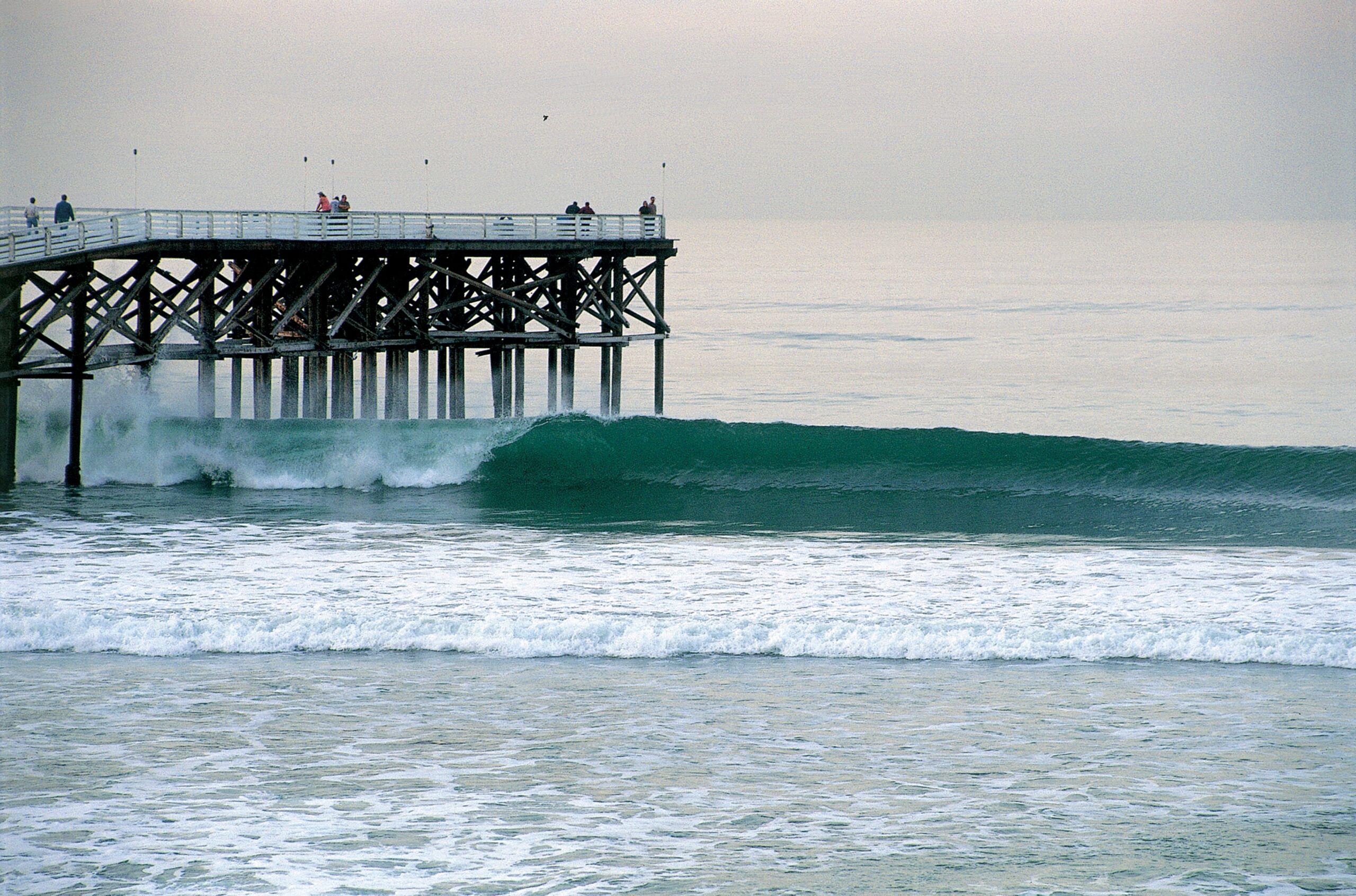
    Known affectionately by locals as “PB,” Pacific Beach is the beating heart of San Diego’s vibrant coastal lifestyle. Stretching over two miles from the iconic Crystal Pier down to Mission Beach, PB features continuous soft sandbars, consistent rolling waves, and an energetic boardwalk culture that makes it one of Southern California’s favorite spots to learn how to surf.

    Whether you are looking for your very first pop-up or aiming to transition from whitewash to green waves, Pacific Beach offers the ideal playground. Here is your complete guide to surfing in PB, optimal tide conditions, top beach sections, and booking your lesson.

    Why Pacific Beach is Ideal for Beginner & Intermediate Surfers

    Pacific Beach is famous for its forgiving beach break setup, making it welcoming for surfers of all skill levels:

    • Consistent Sandbars: The gently sloping seabed creates long, even whitewash waves near the shore—giving beginners maximum time to practice stance and balance.
    • Versatile Wave Zones: With miles of open coastline, beginners can comfortably train in shallow water without crowding the open-ocean lineups used by experienced surfers.
    • Iconic Boardwalk Atmosphere: Endless coffee shops, surf boutiques, rental spots, and beachfront dining mean you can easily relax and refuel right after your session.

    Top Surf Spots Along Pacific Beach

    While PB’s coastline is wide and accessible, specific areas cater to different surfing styles:

    Surf SpotBest ForWhat to Expect
    Tourmaline Surfing Park (North PB)Longboarders & BeginnersLocated right on the border with La Jolla, Tourmaline is a dedicated surfing heritage park featuring slow-rolling, mellow waves and a super friendly community vibe.
    Law Street (Central PB)Beginner LessonsWide sandy beach with predictable beach breaks, making it a favorite teaching hub for local surf instructors.
    Crystal Pier (North & South Sides)Intermediate SurfersProduces punchier waves off the sandbars around the pier pilings (best navigated with an experienced local guide).

    Ideal Ocean Conditions for Your PB Surf Lesson

    To get the absolute most out of your time in the water, aim for these ideal conditions:

    • Wave Size: 2 to 3 feet (0.5m to 1.0m) small to medium rolling waves.
    • Tide: Mid-tide on an incoming swell. High tide offers deeper water cushion, while extreme low tide can make the waves break a bit faster on the inner sandbars.
    • Wind: Early morning offshore winds (blowing lightly from land to sea) for clean, glassy wave faces.
    • Best Time of Day: 7:00 AM to 10:00 AM, before afternoon onshore winds pick up and when beach traffic is lighter.

    What’s Included in Your Surfing4all Lesson at Pacific Beach

    When you book a Pacific Beach surf lesson through Surfing4all, we take care of all the details so you can focus on riding waves:

    1. Beach Briefing & Safety (15–20 mins): Learn ocean awareness, rip current safety, paddling efficiency, and pop-up mechanics directly on the sand.
    2. In-Water Coaching (40–70 mins): One-on-one or small-group instruction with real-time feedback, push-ins on waves, and posture adjustments.
    3. Complete Gear Provided: High-flotation softboard surfboards and full wetsuits designed for San Diego water temperatures are included in every session.

    Book Your Pacific Beach Surf Lesson Today

    At Surfing4all, we connect you directly with top-rated, independent surf instructors in San Diego. Enjoy seamless online booking, top safety standards, and transparent pricing.

    Ready to experience the classic San Diego surf lifestyle at Pacific Beach?

    👉 Visit our website to choose your instructor and book your Pacific Beach surf lesson on Surfing4all!

  • Surf Guide to La Jolla Shores: San Diego’s Top Beach for Beginner Surf Lessons

    Surf Guide to La Jolla Shores: San Diego’s Top Beach for Beginner Surf Lessons

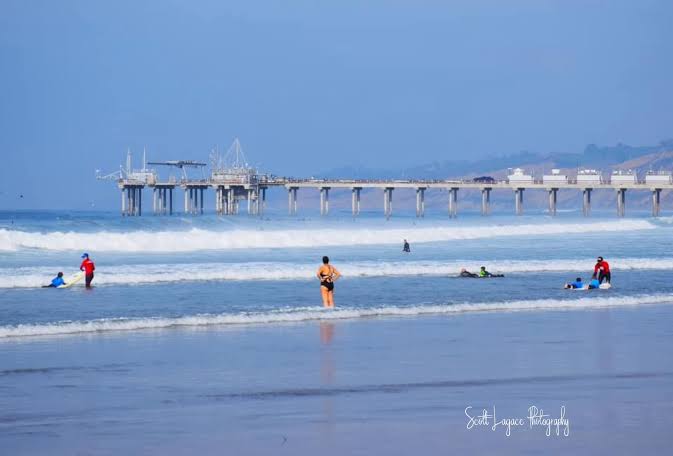
    When it comes to learning how to surf in Southern California, La Jolla Shores stands out as the uncontested favorite. Nestled along the scenic coastline of La Jolla in San Diego, this picturesque beach offers gentle, rolling waves, a wide sandy ocean floor, and a sheltered environment that makes catching your very first wave an unforgettable experience.

    Whether you are a San Diego local or visiting America’s Finest City for vacation, here is your ultimate guide to why La Jolla Shores is the best surf spot for beginners, what ocean conditions to look for, and how to book your lesson.

    Why La Jolla Shores is San Diego’s Best Beginner Surf Spot

    La Jolla Shores is uniquely protected by the submarine canyon offshore and the La Jolla peninsula to the south. This natural geography blocks heavy ocean swells and winds, creating one of the safest and most forgiving surf environments in San Diego County.

    Key reasons why instructors and students love La Jolla Shores include:

    • Gentle Beach Break: The wide, flat sandy bottom creates soft, slow-rolling waves and long whitewash rides that give beginners plenty of time to practice their pop-up and balance.
    • Sandy Bottom (No Rocks): Unlike other rocky reefs in La Jolla (such as Windansea or Bird Rock), The Shores features 100% sand, making entry and exit completely safe and comfortable.
    • Warm, Protected Waters: The marine reserve bay stays calmer and slightly warmer than neighboring open-ocean beaches.
    • Great Amenities: Ample grassy park areas (Kellogg Park), public restrooms, outdoor showers, easy parking, and walkable dining options nearby in La Jolla Shores village.

    Ideal Conditions for Your First Lesson at La Jolla Shores

    While La Jolla Shores delivers rideable waves nearly 365 days a year, the best conditions for first-time surfers include:

    • Wave Size: 1 to 3 feet (0.5m to 1.0m) small, clean waves.
    • Tide: Mid-tide or rising tide (incoming), which provides ideal water depth over the shallow sandbar.
    • Wind: Early morning offshore winds (blowing lightly from land to sea), keeping the water surface smooth and glassy.
    • Season: Year-round! Summer and early fall offer warm water and small, gentle waves, while winter brings clean morning sessions.

    What to Expect During Your Lesson with Surfing4all

    When you book a lesson through Surfing4all at La Jolla Shores, you get a personalized, high-quality experience with certified local instructors:

    1. On-Sand Fundamentals (15–20 mins): Ocean safety briefing, understanding rip currents, paddling mechanics, and pop-up technique drills on the sand.
    2. In-Water Coaching (40–70 mins): Guided entry into the surf, personalized wave selection, gentle pushes into whitewash, and real-time stance corrections.
    3. Full Gear Included: Wetsuits (suited for San Diego water temps) and high-flotation softboard surfboards are provided with every booking.

    Book Your La Jolla Shores Surf Lesson with Surfing4all

    At Surfing4all, we connect you directly with top-rated, independent surf instructors in San Diego. Enjoy flexible booking, top-tier safety standards, and transparent pricing.

    Ready to catch your first wave at La Jolla Shores?

    👉 Visit our website to choose your instructor and book your La Jolla Shores surf lesson on Surfing4all!

  • Surf Guide to Arpoador: The Perfect Beach for Your First Lesson at Rio’s Iconic Landmark

    Surf Guide to Arpoador: The Perfect Beach for Your First Lesson at Rio’s Iconic Landmark

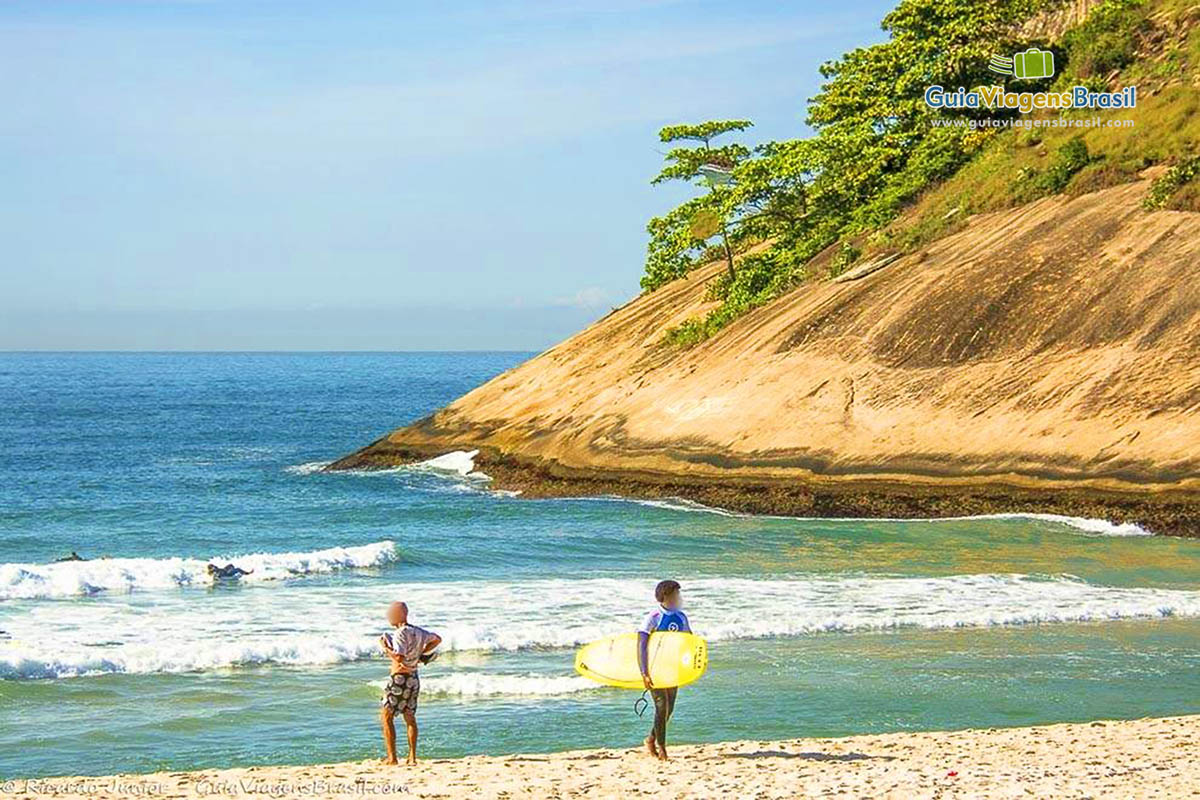
    Arpoador is widely considered the true birthplace of surfing in Brazil. Catching a wave between the iconic rocky point and the sands of Ipanema—with the Two Brothers Mountain (Morro Dois Irmãos) and Gávea Rock standing in the background—is one of the most memorable and breathtaking experiences Rio de Janeiro has to offer.

    In this complete guide, we explain why Arpoador is so special, how the waves work at this legendary spot, and what you need to know to take your first surf lesson with complete safety.

    Why Is Arpoador the Capital of Carioca Surf?

    Arpoador’s unique geographic formation creates a distinct coastal microclimate. The rocky headland extends into the ocean, acting as a natural breakwater that shelters the corner of the beach from Southwest winds while organizing incoming swells into clean, rolling lines.

    The key features that make Arpoador an incredible spot to learn include:

    • Consistent and Gentle Waves: Arpoador’s famous “lefts” break regularly, offering smooth wave faces and soft whitewash near the shore—ideal for beginners.
    • Natural Paddling Channel: The headland creates a deeper channel along the rocks, allowing you to paddle out to the lineup with less effort and without constantly taking waves to the head.
    • Prime Location & Amenities: Situated in the heart of Zona Sul (South Zone), the beach features easy access via subway or ride-share apps, public showers, a vibrant boardwalk, and nearby beach kiosks.

    Best Ocean Conditions for Beginners at Arpoador

    For first-time surfers, picking the right time to hit the water makes all the difference in your progress:

    • Wave Size: 2 to 3 feet / 0.5m to 1.0m (small to medium waves on the shallow sandbar).
    • Wind: Light North or offshore wind, which keeps the water surface clean and smooth (the glassy effect).
    • Tide: Incoming (rising) or mid-tide, ensuring plenty of water cushion over the sand.
    • Best Time of Day: Early morning (from 6:30 AM to 8:30 AM). During these hours, the ocean is calmer, and the crowd of swimmers and local surfers in the water is significantly smaller.

    The Importance of Professional Coaching at Arpoador

    Because Arpoador is one of the most popular surf spots in the country, having a certified, local instructor by your side is essential for a safe and enjoyable experience.

    A local Surfing4all instructor provides:

    1. Proper Positioning: Clear direction on where to practice near the shore without getting in the way of experienced surfers in the lineup.
    2. Current Reading: Quick identification and management of the rip currents near the rocks.
    3. Right Equipment: High-flotation softboard surfboards designed to maximize stability, ease balance, and prevent injuries.
    4. Lineup Etiquette: Hands-on teaching of basic surf rules, priority, and ocean safety.

    Book Your Arpoador Surf Lesson with Surfing4all

    At Surfing4all, we streamline every step of your learning journey by connecting you with top-rated, certified instructors in Rio de Janeiro. We offer private or small group lessons with all equipment included—high-flotation softboards, protective rash guards, and dedicated guidance on the sand and in the water.

    Ready to fulfill your dream of catching your first wave at Arpoador?

    👉 Visit our website to choose your instructor and book your Arpoador surf lesson on Surfing4all!

  • Surf Guide to Recreio dos Bandeirantes: Tides, Best Spots & What to Expect from Your Lesson

    Surf Guide to Recreio dos Bandeirantes: Tides, Best Spots & What to Expect from Your Lesson

    Known as one of Rio de Janeiro’s true surfing havens, Recreio dos Bandeirantes offers a laid-back coastal vibe, breathtaking natural scenery, and some of the most consistent waves in the state. Whether at the iconic Pontal do Recreioor along the classic longboard paradise of Macumba Beach, Recreio breathes surf culture year-round.

    If you are looking to catch your first wave or build upon your basic skills in a pristine, nature-surrounded environment, Recreio is an exceptional choice. Here is everything you need to know about tides, top surf spots, and how to get the most out of your lesson.

    How Tides Affect the Waves in Recreio

    Understanding how the tide shifts is key to choosing the right time for your surf session in Recreio:

    • Low Tide (Dry Reef/Sandbar): At low tide, the sandbars are shallow, making the waves break faster and with more energy. This is a great window for intermediate surfers to practice reading waves and timing their drop, but it requires extra care for beginners near the shore.
    • Rising / Mid-Tide (The Golden Window): This is the ideal condition for beginner lessons. As the water fills in, the whitewash gains volume and buoyancy, allowing students to glide effortlessly and safely toward the beach.
    • High Tide: Depending on the swell, high tide can create fuller waves that take longer to break or break right on the shoreline shorebreak. On these days, instructors often shift lessons to the sheltered corner of Pontal, where the natural headland protects against heavy chop.

    Top Surf Spots in Recreio for Beginners & Intermediates

    Surf SpotIdeal LevelKey Characteristics
    Canto do Pontal (Posto 12)Beginner to IntermediateSheltered from East winds; features gentler, rolling waves with long walls.
    Macumba BeachAll Levels / LongboardFamous for mellow, consistent waves; perfect for longboards and gradual progression.
    Posto 9 & 10 (Recreio)BeginnerOpen beach stretches with forgiving whitewash formations right off the sand.

    What to Expect from Your Lesson with Surfing4all

    When you book a surf session in Recreio through Surfing4all, you are paired with certified, local instructors who know every detail of the local sandbars and safety protocols:

    1. Beach Briefing & Dry Land Training (15–20 min): Learn essential ocean safety, how to identify rip currents, proper paddling techniques, and practice your pop-up movement on the sand.
    2. In-Water Coaching (40–70 min): Head into the surf under direct one-on-one supervision, receiving gentle pushes into waves and real-time guidance on balance and stance.
    3. Feedback & Progression Tips: Review your session, correct body posture, and get personalized advice for your next surf.

    Book Your Recreio Surf Experience Today

    At Surfing4all, we provide everything you need for a safe and unforgettable session in Recreio dos Bandeirantes—including top-quality softboard surfboards, rash guards, and expert local coaching.

    Ready to ride the waves at Recreio?

    👉 Click here to choose your instructor and book your Recreio surf lesson on Surfing4all!