Surf for Everyone

Surfing is for everybody. Tailored programs for kids, families, women, adult beginners, and adaptive surfing.

  • Surf Fitness: Land-Based Exercises to Improve Your Paddling Power and Endurance

    Surf Fitness: Land-Based Exercises to Improve Your Paddling Power and Endurance

    Surf Fitness: Land-Based Exercises to Improve Your Paddling Power and Endurance

    Paddling is the foundation of surfing. In fact, spent time during a typical surf session reveals that you spend up to 70% of your time paddling, 20% waiting for waves, and only 10% actually riding them.

    Lacking paddling strength and shoulder endurance leads to early fatigue, missed waves, and lower-back strain. Fortunately, you don’t need to be in the ocean every day to build a strong surf body. Implementing targeted, land-based conditioning exercises will dramatically improve your paddling endurance, pop-up speed, and overall stamina in the water.

    1. Top Exercises to Build Paddling Power & Endurance

    To simulate paddling mechanics on land, focus on movements that strengthen the lats, deltoids, core, and upper back:

    ExercisePrimary Focus AreaHow It Helps Your Surf Game
    Resistance Band PaddlingLats, Shoulders & TricepsMimics the continuous, rhythmic stroke of paddling against constant tension.
    Prone Y-T-W RaisesUpper Back & Rear DeltoidsBuilds endurance in the scapular stabilizers to maintain chest elevation without lower-back pain.
    Swiss Ball Cobra PullsCore & Posterior ChainStrengthens the thoracic extension needed to keep your chest lifted off the board.
    Push-Ups to Plank HoldsChest, Core & TricepsDevelops explosive pushing strength for faster, cleaner pop-ups.

    2. Preventing Lower-Back and Shoulder Fatigue

    Paddling requires maintaining a gentle arch in your spine while executing repetitive overhead shoulder movements. To prevent common overuse injuries:

    • Incorporate Thoracic Spine Mobility: Practice daily cat-cow stretches and thoracic rotation exercises to keep your mid-back flexible.
    • Strengthen the Glutes and Core: A strong core acts as an anchor, taking pressure off your lumbar spine when holding your chest up on the surfboard.
    • Prioritize Shoulder Rotator Cuff Care: Perform light external rotations using resistance bands to keep your shoulder joints stable and healthy.

    3. Quick 15-Minute Dry-Land Surf Workout Routine

    Perform this circuit 2 to 3 times a week to stay surf-ready between sessions:

    1. Resistance Band Pulls: 3 sets x 45 seconds (continuous paddling motion)
    2. Prone Y-T-W Raises: 3 sets x 12 repetitions each letter
    3. Plank to Push-Up: 3 sets x 10 repetitions
    4. Supermans / Cobra Extension: 3 sets x 12 repetitions (hold for 2 seconds at the top)

    Elevate Your Surfing Performance with Surfing4all

    Building land-based fitness is half the equation—applying proper paddling technique in the water is what turns fitness into waves caught. At Surfing4all, our certified surf coaches provide real-time feedback on your paddling posture, wave positioning, and energy management in the lineup across San Diego, Rio de Janeiro, and Búzios.

    Ready to catch more waves with less fatigue?

    👉 Visit our website to choose your instructor and book your surf lesson on Surfing4all!

  • Surf Etiquette and Ocean Safety: How to Avoid Accidents and Respect Priority
    Surf Etiquette and Ocean Safety: How to Avoid Accidents and Respect Priority

    Surf Etiquette and Ocean Safety: How to Avoid Accidents and Respect Priority

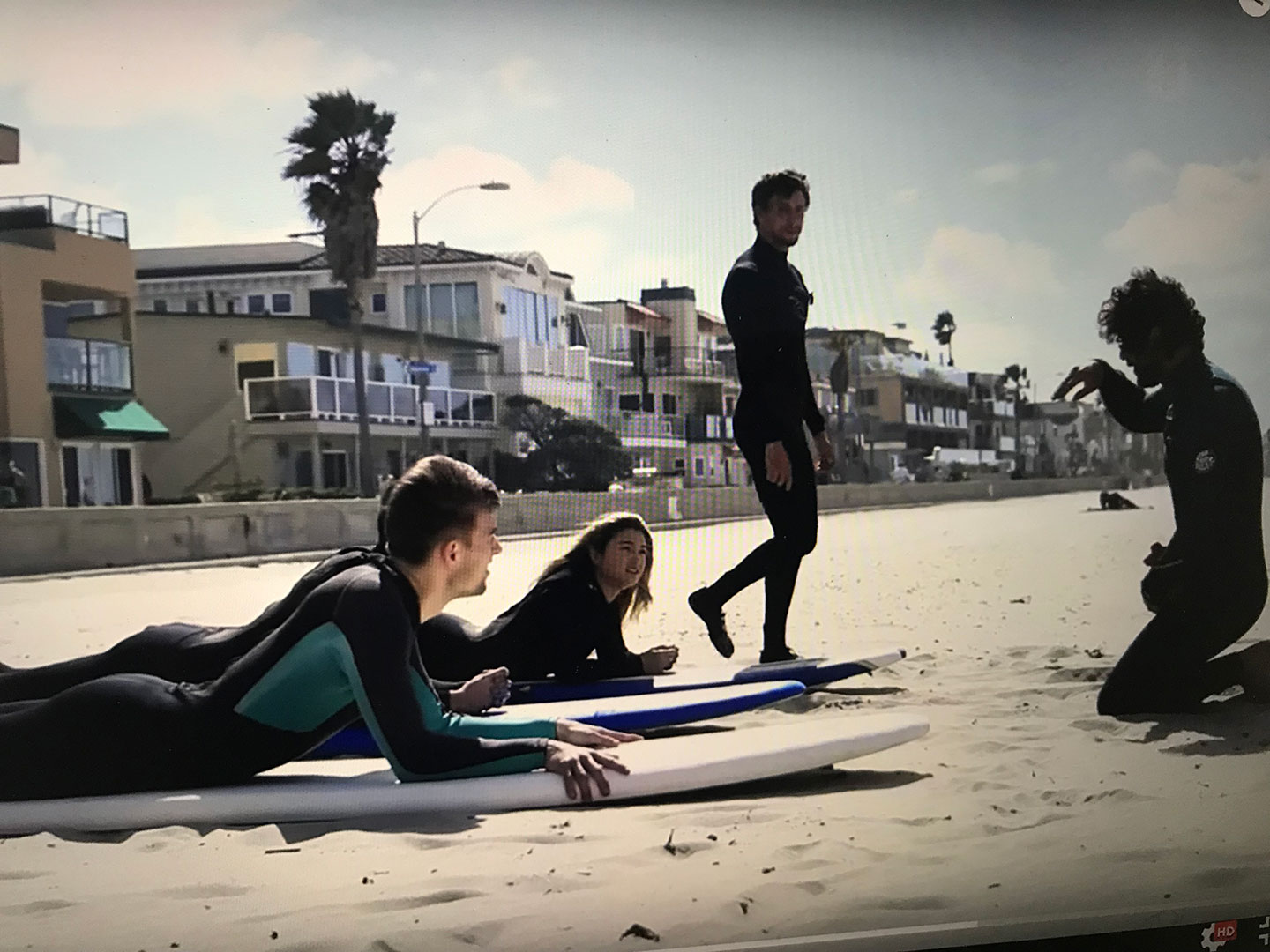
    Surfing is one of the most exhilarating sports in the world, but stepping into the ocean also means entering a dynamic, constantly changing environment. Whether you are catching your very first whitewash wave or learning to navigate the lineup, understanding surf etiquette and ocean safety is essential.

    Following the unwritten “rules of the road” in surfing not only keeps you and fellow surfers safe, but it also helps you catch more waves with confidence and build respect within the local surfing community.

    1. The Right of Way: Understanding Surf Priority

    Priority dictates who has the right to catch a wave. Dropping in on someone who already has priority is not only rude—it is the leading cause of collisions and gear damage in the water.

    • The Closest to the Peak Has Priority: The surfer positioned closest to where the wave is breaking (the apex or peak) has first right to ride it.
    • Do Not Drop In: If another surfer is already riding the wave behind or beside you toward your direction, yield immediately. Check both shoulder directions before paddling in.
    • Don’t “Snake”: Snaking occurs when a surfer paddles around another person to steal the inside position at the last second. Wait your turn patiently in the lineup.

    2. Paddling Out and Navigating the Lineup

    Getting out past the breaking waves safely requires smart path selection and spatial awareness:

    RuleWhat to Do
    Paddle Around the Break ZoneNever paddle directly through the main area where people are riding waves. Paddle wide through deeper channel water or calm sections.
    Yield to the Surfer on the WaveIf a surfer is riding toward you while you paddle out, paddle behind them (toward the whitewash) to give them an open wave face.
    Never Ditch Your BoardAlways hold onto your surfboard when a wave approaches. A loose surfboard attached to a leash can swing unpredictably and injure nearby surfers.

    3. Essential Ocean Safety Guidelines for Beginners

    Before jumping into the surf, take time to analyze the conditions and prepare properly:

    1. Observe the Ocean First (10-Minute Rule): Spend at least 10 minutes watching the beach from the shore. Identify where the waves are breaking, where rip currents are pulling, and where other beginners are practicing.
    2. Identify Rip Currents: Rip currents are narrow, fast-moving channels of water flowing away from the shore. If caught in one, stay calm, float, and paddle parallel to the shore until you clear the current.
    3. Use Protective Stances (The Turtle & Cover Up): When wiping out, protect your head with both arms until you surface, and check your surroundings before retrieving your board.

    Learn Safe Surfing with Surfing4all

    At Surfing4all, safety is our highest priority. We match you with certified, patient surf instructors across San Diego, Rio de Janeiro, and Búzios who teach proper ocean etiquette, tide reading, and water safety right alongside technique from day one.

    Ready to catch your waves safely and confidently?

    👉 Visit our website to choose your instructor and book your surf lesson on Surfing4all!

  • Women’s Surfing: Essential Tips and Advice for Beginner Female Surfers
    Women’s Surfing: Essential Tips and Advice for Beginner Female Surfers

    Women’s Surfing: Essential Tips and Advice for Beginner Female Surfers

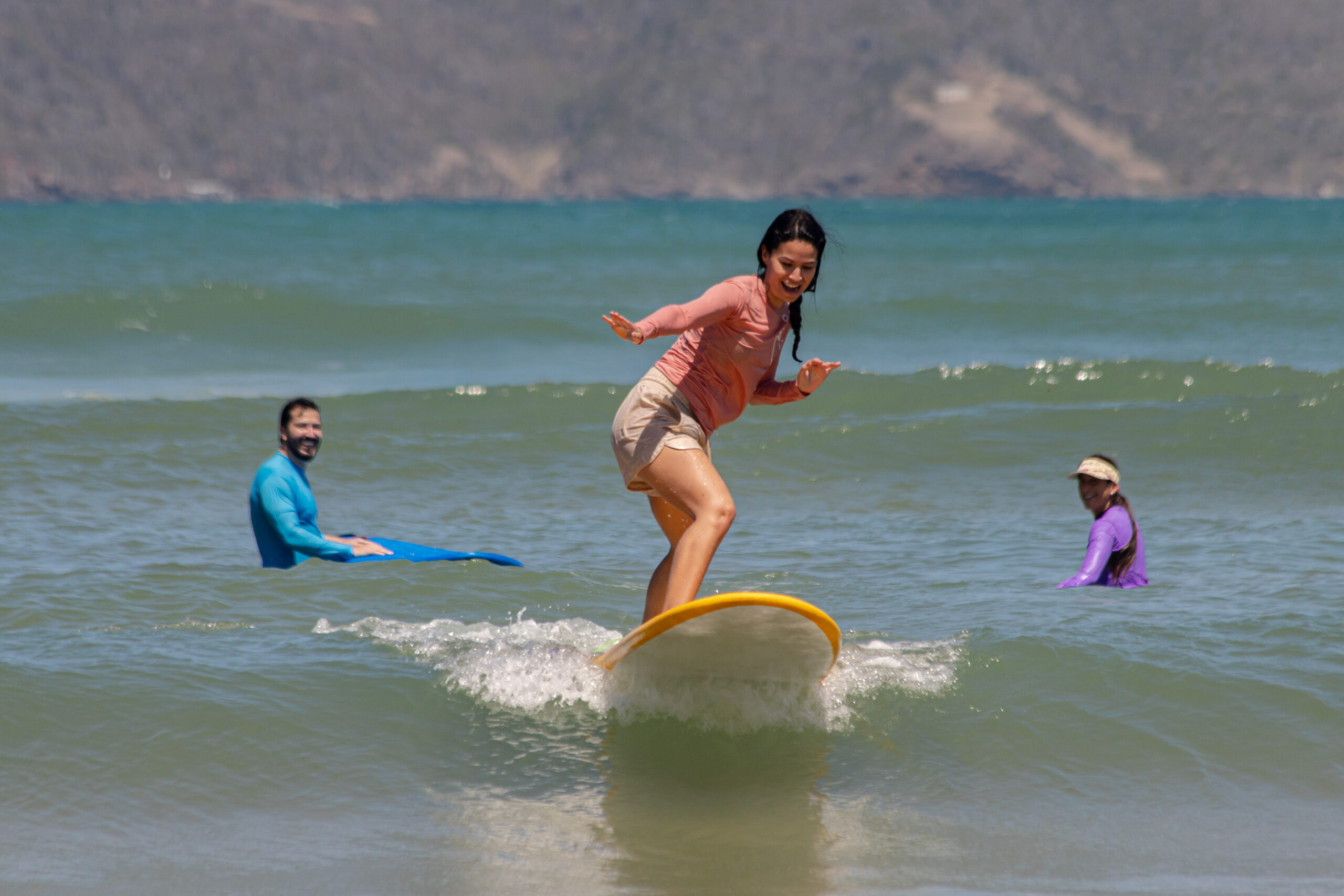
    Women’s surfing is experiencing an incredible surge worldwide. From local beach breaks to global lineups, more women than ever are stepping onto surfboards, catching waves, and building supportive ocean communities.

    If you are a woman looking to take your first surf lesson or transition from whitewash to open waves, stepping into the surf can feel both thrilling and intimidating. This complete guide provides practical tips on gear selection, lineup confidence, safety, and finding the right coaching environment for your surfing journey.

    4 Essential Tips for Beginner Female Surfers

    1. Choose Women-Specific or High-Comfort Gear

    Having equipment that fits your body properly makes a massive difference in warmth, mobility, and confidence:

    • Wetsuit Fit: Look for wetsuits designed specifically for women’s proportions (flexibility around shoulders and hips). A well-fitted 3/2mm or 4/3mm suit prevents cold water flushing and rash irritation.
    • High-Flotation Softboards: Start on an 8’0″ or 9’0″ softboard with plenty of volume. Extra buoyancy makes paddling significantly easier and helps you pop up smoothly without strain.
    • Supportive Swimwear: If surfing in warm water, wear a fitted athletic sports-top bikini or a protective long-sleeve rash guard that stays securely in place when taking waves.

    2. Focus on Core Technique Over Raw Strength

    Surfing relies far more on timing, balance, and leverage than brute force.

    • Paddling Efficiency: Keep your body centered down the middle line of the board, lift your chest slightly using lower back strength, and use deep, smooth arm strokes rather than fast, shallow splashes.
    • Smooth Pop-Ups: Practice placing your hands flat under your chest (like a push-up) on the sand before moving to the water. Avoid gripping the rails (edges) of the board, which causes instability.

    3. Build Confidence in the Lineup

    Lineups can sometimes feel competitive or overwhelming, but you belong in the water just as much as anyone else:

    • Know Ocean Etiquette: Learn basic rules like priority (the surfer closest to the breaking peak has the right of way) and never ditching your board behind you.
    • Start in Gentle Zones: Practice on wide sandbars with shallow whitewash where you feel in complete control before heading out to deeper peaks.

    The Power of Inclusive & Female-Led Coaching

    Learning alongside supportive instructors creates an encouraging environment where you can ask questions, build confidence, and progress without pressure.

    Coaching FormatKey Benefits
    Female-Led Private CoachingTailored instruction focusing on body mechanics, wave timing, and individualized feedback.
    Women’s Surf GroupsConnect with like-minded female surfers, share experiences, and build a lasting surf community.
    Small-Group LessonsHigh instructor-to-student ratios ensure personalized safety and guidance in the water.

    Start Your Surfing Journey with Surfing4all

    At Surfing4all, we are committed to making surfing accessible, safe, and empowering for everyone. We match you with top-rated, certified instructors across San Diego and Rio de Janeiro who prioritize your safety, comfort, and personal growth in the water.

    Ready to catch your first wave with confidence?

    👉 Visit our website to choose your instructor and book your surf lesson on Surfing4all!

  • Learning to Surf After 30 or 40: Myths, Safety, and Progression Tips
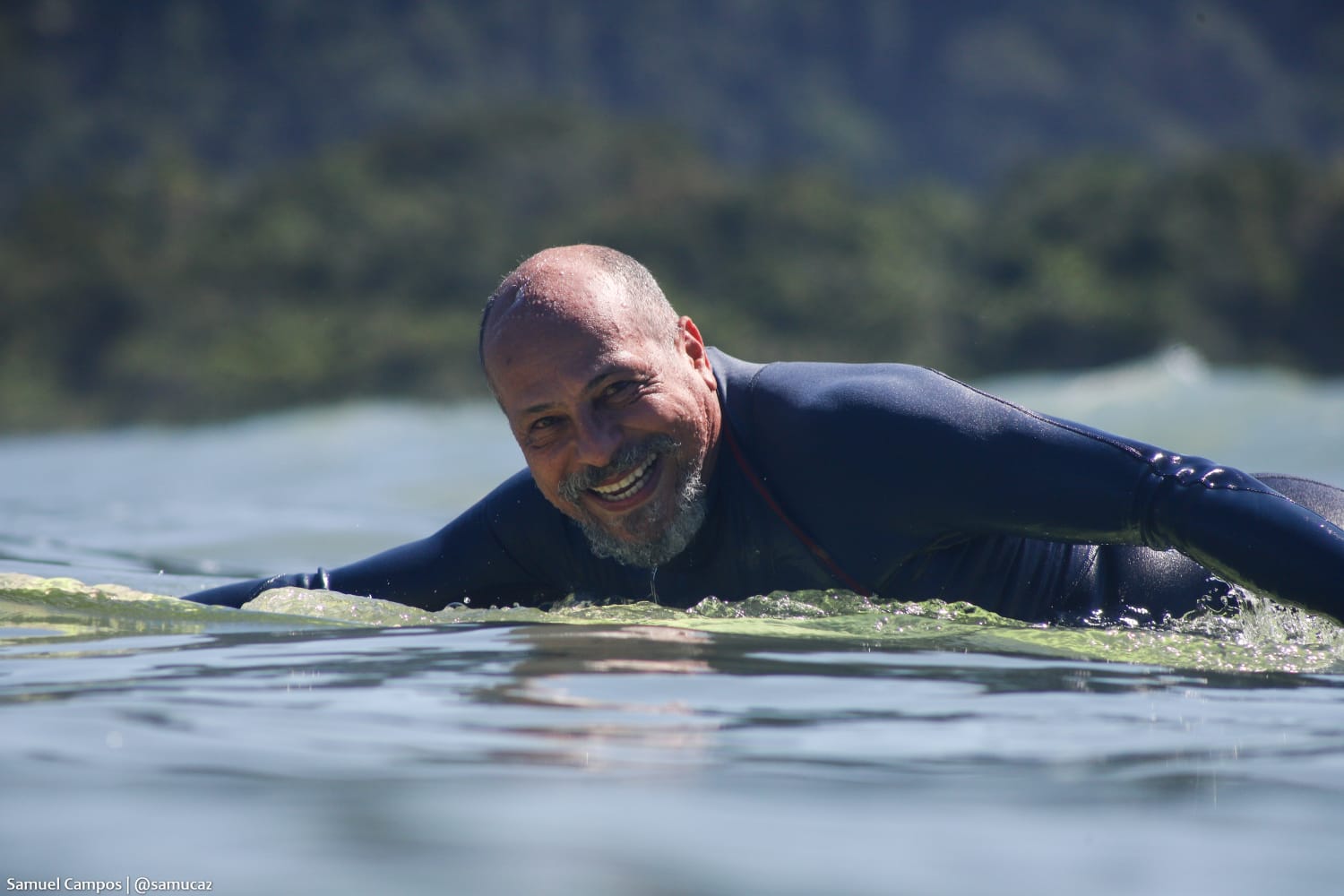
    Learning to Surf After 30 or 40: Myths, Safety, and Progression Tips

    Learning to Surf After 30 or 40: Myths, Safety, and Progression Tips

    Think surfing is a sport reserved strictly for teenagers and twenty-somethings? Think again. Every year, thousands of adults in their 30s, 40s, 50s, and beyond step onto a surfboard for the very first time. In fact, adult learners often bring greater focus, patience, and body awareness to the water than younger beginners.

    If you have been dreaming of riding waves but worry that “the boat has sailed,” this guide is for you. We debunk common myths, outline key safety protocols, and share progression tips tailored specifically for adult beginner surfers.

    Debunking Common Adult Surfing Myths

    • Myth 1: “I am too old to learn.”
      • Fact: Surfing relies on momentum, balance, and wave timing—skills that can be developed at any age with proper instruction and the right equipment.
    • Myth 2: “I need to be in peak athletic shape first.”
      • Fact: You don’t need to be a triathlete. Basic swimming ability and moderate flexibility are all you need to start. Your surf fitness will build naturally as you practice.
    • Myth 3: “I will look out of place in the lineup.”
      • Fact: The beginner surf community is remarkably diverse. Instructors and fellow adult learners create an encouraging, non-judgmental environment on the sand and in the water.

    Essential Safety & Recovery Guidelines for Adult Surfers

    Adult bodies recover differently than teenage bodies. Prioritizing smart preparation ensures you stay injury-free and consistent in your progression:

    Focus AreaPractical Application
    Warm-Up Mobility (10 mins)Perform dynamic stretches (hip openers, shoulder rotations, and cat-cows) on the sand before paddling out.
    High-Volume SoftboardsUse extra-wide, high-volume soft-top boards (8’0″ to 9’0″+) to maximize stability, ease paddling, and prevent fatigue.
    Pacing & Session LengthCap initial sessions at 60 to 90 minutes to avoid lower-back strain and shoulder overexertion.
    Post-Surf RecoveryHydrate immediately, practice light static stretching, and allow at least one rest day between early sessions.

    3 Progression Tips for Learning Faster as an Adult

    1. Master the On-Sand Pop-Up: Practice your pop-up movement at home on a yoga mat. Focus on smooth, deliberate transitions rather than explosive jumping.
    2. Focus on Wave Reading Over Fitness: Adults excel at pattern recognition. Spend time watching how waves break, understanding tides, and learning where sandbars form.
    3. Invest in Professional Coaching: Self-teaching as an adult often leads to bad habits that are hard to unlearn. A certified instructor corrects stance, positioning, and paddling efficiency in real time.

    Book Your Adult Beginner Surf Lesson with Surfing4all

    At Surfing4all, we match you with patient, experienced surf coaches who specialize in adult progression across our partner locations in San Diego and Rio de Janeiro. We provide high-flotation gear, supportive instruction, and a comfortable pace tailored entirely to your goals.

    It is never too late to catch the wave of your life!

    👉 Visit our website to choose your instructor and book your surf lesson on Surfing4all!

  • Kids Surf Lessons: At What Age Can Children Start Surfing Safely?
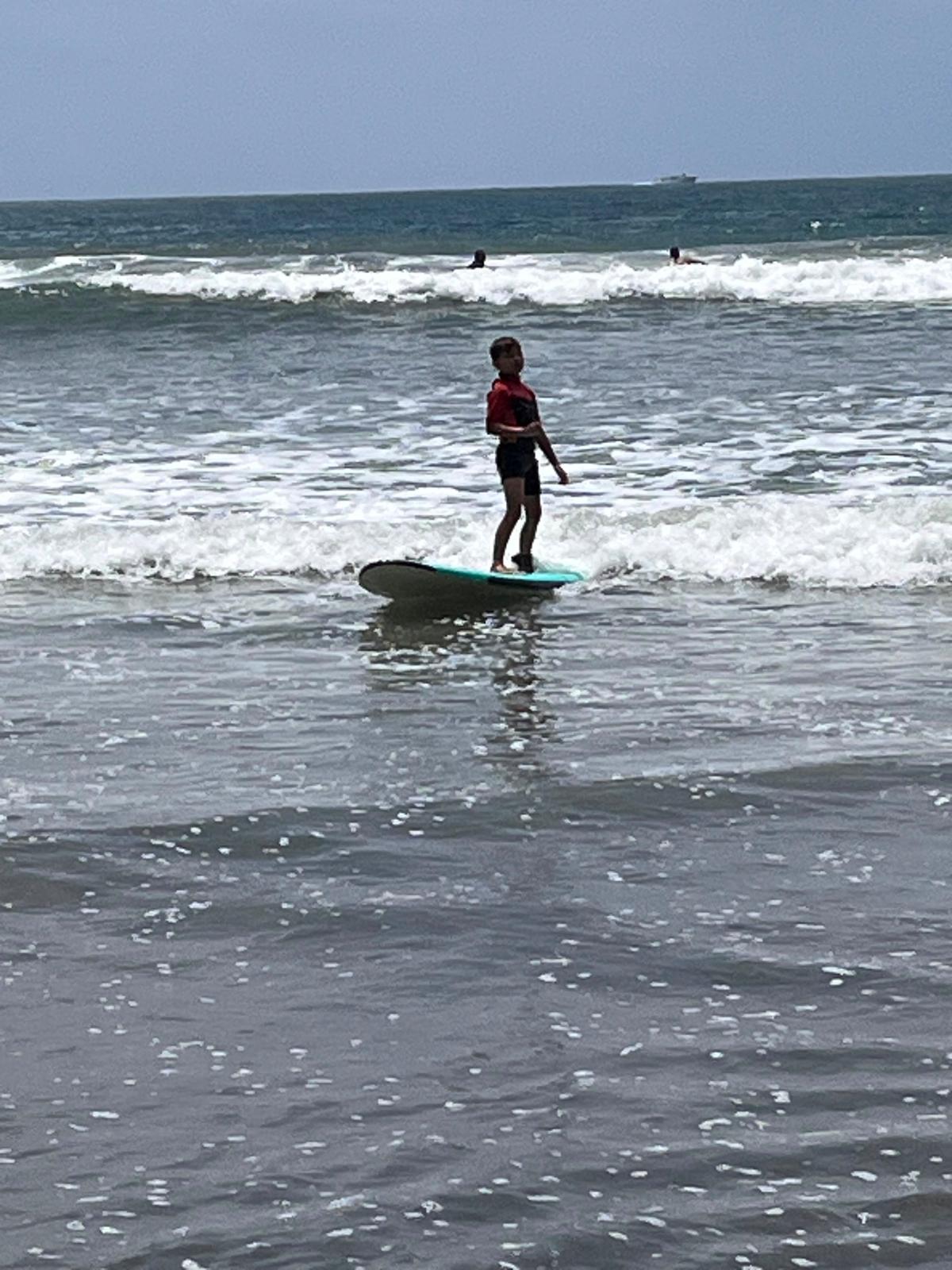
    Kids Surf Lessons: At What Age Can Children Start Surfing Safely?

    Kids Surf Lessons: At What Age Can Children Start Surfing Safely?

    For many parents, introducing their children to the ocean is one of the most exciting milestones of childhood. Surfing builds confidence, improves motor coordination, and fosters a lifelong respect for nature. However, when it comes to riding waves, a common question arises: At what age can kids safely start taking surf lessons?

    In this guide, we break down the ideal starting ages, essential safety prerequisites, what to look for in a kids’ surf instructor, and how to make your child’s first ocean experience fun and stress-free.

    What is the Best Age to Start Surfing?

    While every child develops at their own pace, the general consensus among professional surf coaches is that children can begin their surfing journey between ages 4 and 7.

    Here is a quick age-by-age breakdown:

    Age GroupFocus & FormatWhat to Expect
    Ages 4 to 6Ocean Familiarization & Water PlayGentle tandem rides with an instructor, bodyboarding in shallow whitewash, and basic ocean safety games on the sand.
    Ages 7 to 10Independent FundamentalsLearning proper paddling mechanics, standing up on softboards, reading gentle waves, and understanding basic ocean safety.
    Ages 11+Technique & Ocean AwarenessCatching open-ocean waves, mastering turning techniques, paddling out past the break, and practicing lineup etiquette.

    Essential Prerequisites for Kids’ Surf Lessons

    Before signing your child up for their first lesson, ensure they meet these basic safety readiness indicators:

    1. Basic Water Confidence: Children do not need to be competitive swimmers, but they should be comfortable putting their face in the water and floating with assistance.
    2. Ability to Follow Instructions: Ocean safety relies on listening. Kids should be able to follow basic directions from their instructor.
    3. Comfort with Waves: A quick play session in gentle whitewash beforehand helps gauge whether a child feels eager or anxious around moving water.

    Key Safety Measures for Children in the Water

    Safety is the top priority for any youth surf program. High-quality kids’ surf lessons should always include:

    • 1-on-1 or Ultra-Small Ratios: Young beginners (under age 8) should ideally have dedicated 1-on-1 instructor oversight at all times.
    • Child-Specific Gear: Soft-top surfboards (softboards) with flexible fins, properly fitted youth wetsuits, and protective rash guards.
    • Shallow Sandbar Selection: Lessons must take place in waist-deep water where the instructor can stand firmly beside the board.
    • Sun & Thermal Protection: High-SPF mineral sunscreen and appropriate neoprene warmth to prevent fatigue and chill.

    Book a Safe Kids’ Surf Lesson with Surfing4all

    At Surfing4all, we match families with patient, background-checked, and certified surf coaches specialized in youth instruction across San Diego and Rio de Janeiro. Our lessons focus on fun, safety, and building genuine ocean confidence at your child’s comfortable pace.

    Ready to give your child an unforgettable ocean adventure?

    👉 Visit our website to choose a kids’ surf instructor and book a lesson on Surfing4all!